For decades, the retirement conversation has sounded almost the same in every household.
Will we have enough money? Can we afford to retire?
How long will our savings last? Should we sell the house?
Financial security matters, of course. It always has. For many in our parents’ generation, retirement was viewed through the lens of survival, stability, and responsibility. The dream was simple:
• Pay off the mortgage
• Stay in the family home
• Live carefully
• Hope the money lasts
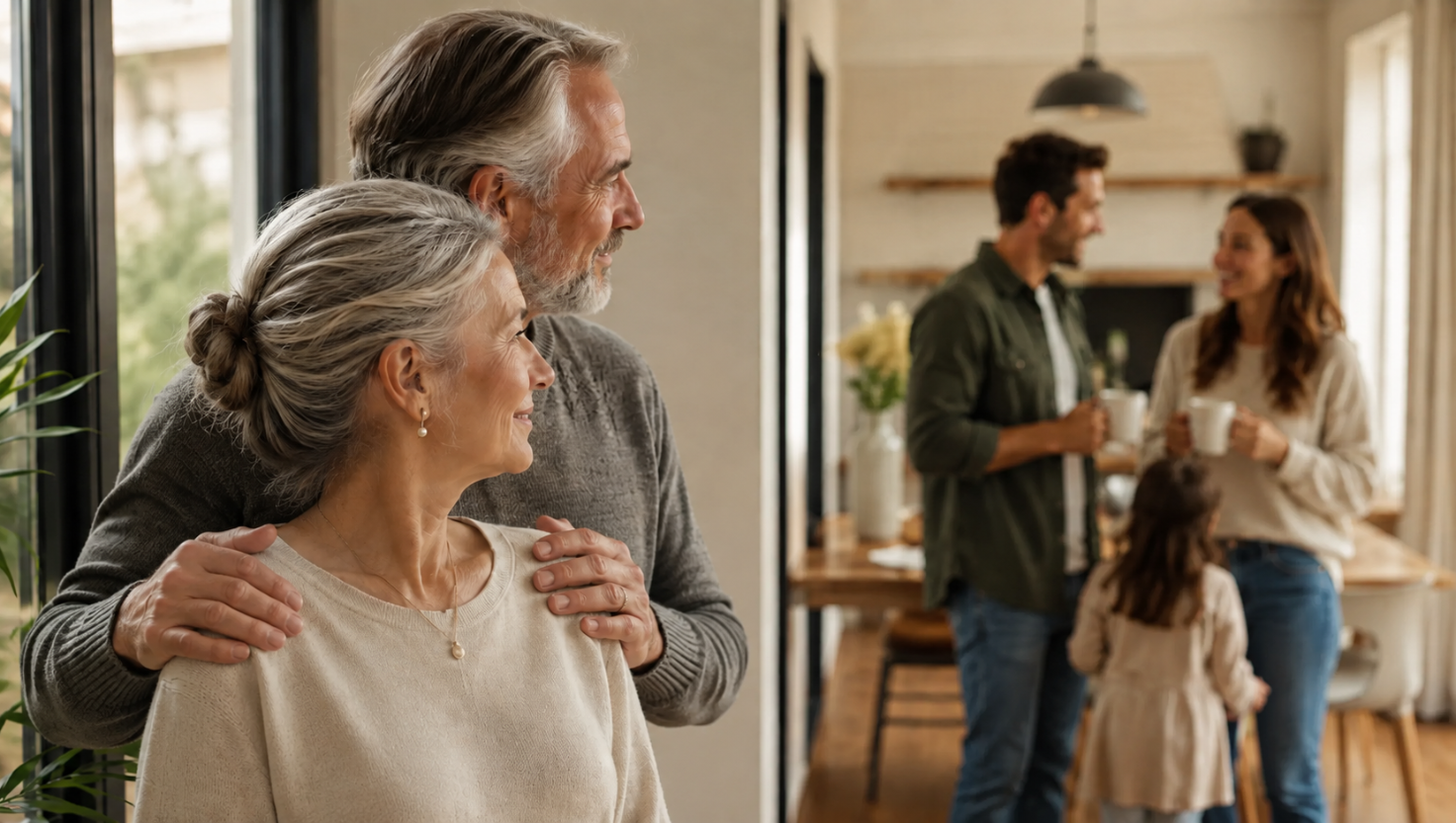
But something profound is happening among baby boomers today.
The retirement conversation is shifting. Yes, finances still matter. But more and more people are asking a very different question:
How do I actually want to live this next chapter of my life?
And that is a completely different conversation.
I believe this may become one of the biggest cultural shifts of our generation because today’s baby boomers are beginning to realize something deeply important.
Retirement is not just a financial decision.
It is also:
• A lifestyle decision
• A health decision
• An energy decision
• A freedom decision
• A relationship decision
• A peace of mind decision
For perhaps the first time, many people are recognizing that how they spend their time, energy, health, relationships, and freedom may be just as valuable as the money they have saved.
When You Know Something Needs to Change
You may have heard yourself say:
“I know something has to change.”
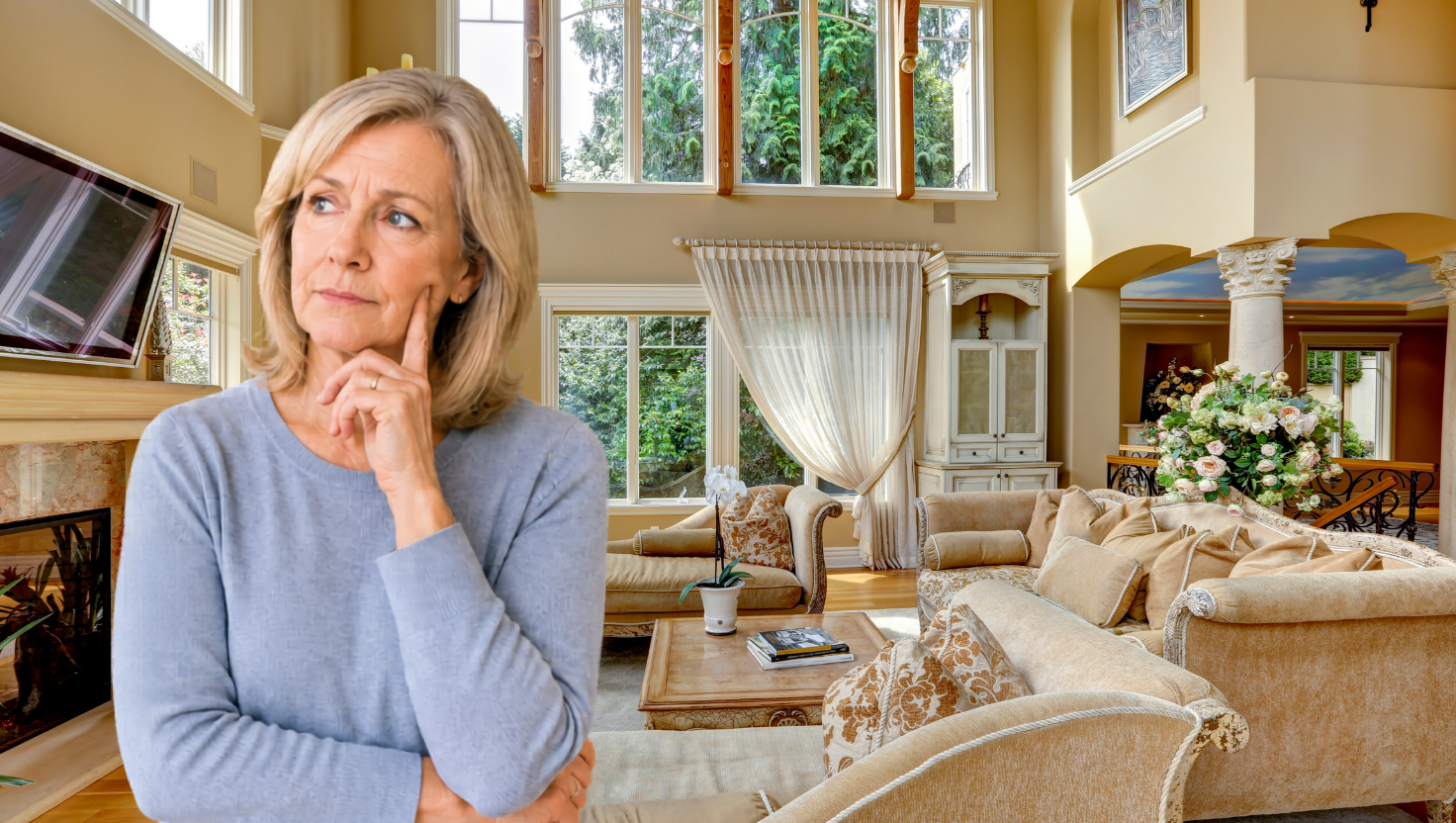
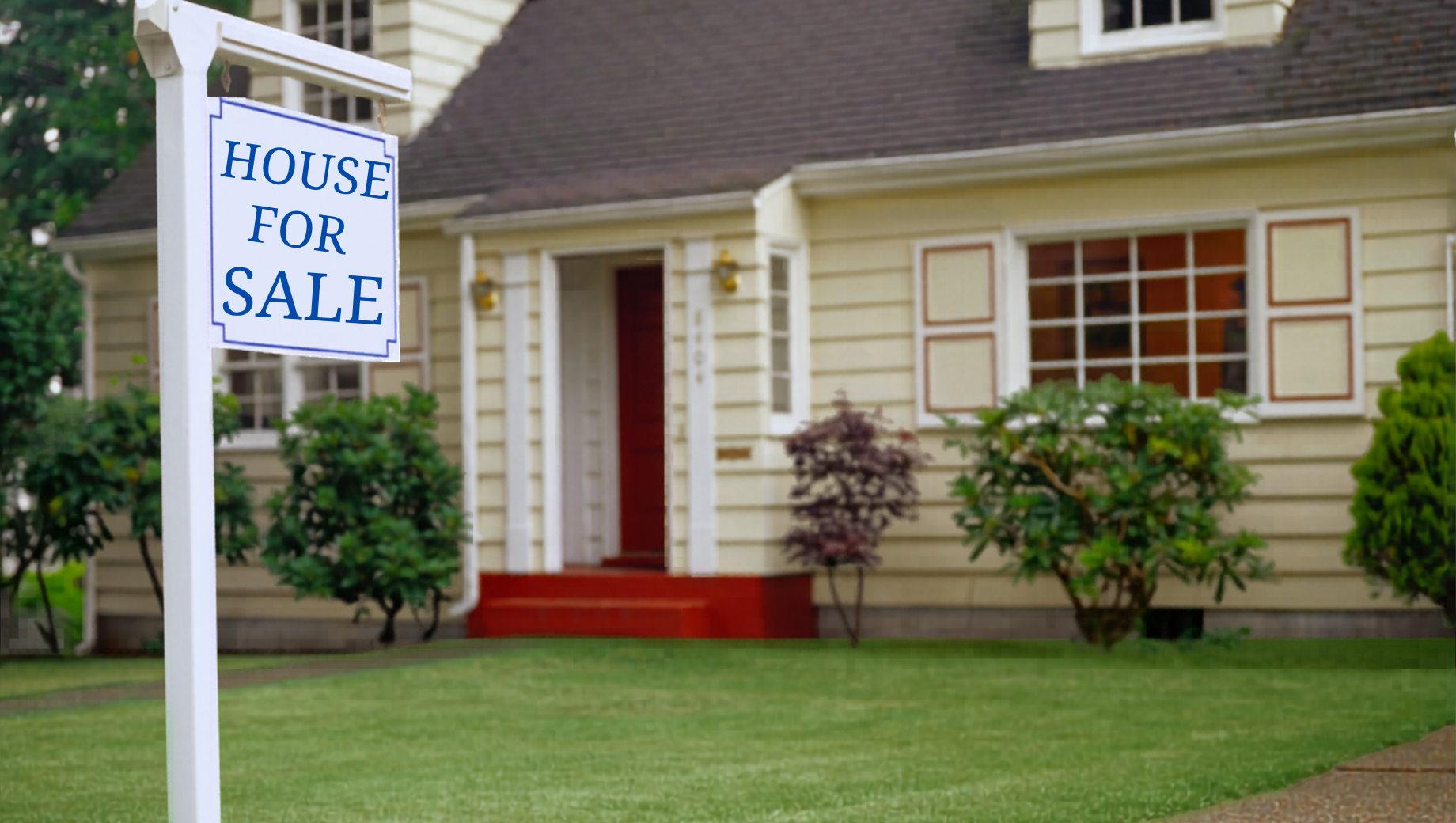
And then, slowly, you begin to realize that the change may have something to do with your house.
I have been having more and more conversations with baby boomers who are feeling unsettled. They are not necessarily unhappy. They are not in crisis. But something feels off.
Maybe they are tired more often.
Maybe their home feels heavier.
Maybe simple tasks take more energy than they used to.
Maybe entire rooms in the house go unused.
Maybe the maintenance never seems to end.
And the house that once supported their life now feels like it is consuming it. At first, many people cannot figure out why they feel this way.
They may think:
• Maybe I am just overwhelmed
• Maybe I need to get more organized
• Maybe I need to be more motivated
• Maybe I just need to try harder
But eventually, a deeper realization begins to emerge.
I knew something needed to change, and then I realized it was my house.
Not because they suddenly stopped loving the house.
But because the life they built around that house decades ago no longer matches the life they want to live right now.
That is the real awakening.
And it is so much bigger than downsizing.
This Is Not Just About a Smaller House
For years, downsizing was often framed as a practical or financial decision.
Spend less.
Own less.
Move to a smaller home.
But today, the conversation is evolving into something much more meaningful.
People are beginning to ask: “What kind of life does this home allow me to live?”
That question is enormous. Suddenly, the conversation shifts away from square footage and starts focusing on quality of life.
People are realizing that the wrong house can quietly drain the exact things retirement was supposed to give back:
• Time
• Energy
• Health
• Peace of mind
• Relationships
• Freedom
And once you begin to see that connection, you cannot unsee it.
The Hidden Cost of Staying Too Long
One of the hardest truths many baby boomers are confronting is this: Sometimes staying in the family home costs more than leaving it.
Not only financially, but emotionally, physically, and mentally.
Many people are spending the healthiest years of retirement maintaining a home that was designed for a completely different season of life.
Those homes were built for:
• Raising children
• Hosting big holidays
• Managing busy family schedules
• Storing decades of possessions
• Living a life that once required more space
But now, the kids are grown. The rooms are quiet. The upkeep becomes more difficult. The emotional and physical workload never seems to stop.
And yet, many people continue holding on to homes that no longer support the way they truly want to live. Why?
Because for decades, we were taught that success meant accumulating more.
More house. More space.
More belongings. More permanence.
But today, baby boomers are courageously beginning to question that entire equation.
What if freedom matters more than square footage?
What if ease matters more than appearances?
What if simplifying your life is not giving up, but finally waking up?
Today’s Baby Boomers Want Something Different
One of the biggest differences between previous generations and today’s baby boomers is this:
Many people no longer want retirement to feel like a slow withdrawal from life.
They want:
• Engagement
• Experiences
• Connection
• Vitality
• Purpose
• Flexibility
• Travel
• Community
• Time for relationships
• Time for health
• Time for actually living
Increasingly, people are realizing that their environment either supports those goals or quietly works against them every single day.
That is why this movement is not simply about decluttering or downsizing. It is about intentional living.
People are beginning to say: “I do not want to spend my retirement taking care of a house instead of taking care of myself.”
That sentence lands deeply because it is true for so many people.
Weekends disappear into chores.
Money disappears into maintenance.
Energy disappears into managing things.
And the years pass faster than we expect.
At some point, people begin asking: “What exactly am I protecting here?”
And that question can become life changing.
The New Retirement Currency
For years, retirement planning focused almost entirely on financial assets.
Savings.
Investments.
Home equity.
Retirement accounts.
But today, many people are beginning to recognize a second category of assets that may matter just as much. I call them lifestyle assets.
These include:
• Time
• Energy
• Mobility
• Health
• Freedom
• Relationships
• Peace of mind
Unlike money, these assets become more precious with age because they are finite.
You can earn more money. But you cannot create more healthy years.
That realization is causing many baby boomers to rethink everything. Not because they are fearful, but because they are becoming more intentional about how they want to live.
They are beginning to understand that retirement is not simply about preserving money. It is about preserving life itself.
It is about preserving the ability to:
• Travel while you still can
• Walk easily
• Host friends
• Enjoy experiences
• Say yes spontaneously
• Wake up feeling lighter instead of burdened
And increasingly, people are realizing that the wrong home can slowly erode those possibilities.
Many of Our Parents Waited Too Long
This is one of the most emotional parts of the conversation.
Many baby boomers watched their parents wait too long.
Too long to simplify.
Too long to move.
Too long to ask for help.
Too long to prioritize ease.
Too long to let go of the house.
By the time families were forced to make decisions, the choices were no longer proactive. They became reactive.
A health crisis.
A fall.
Isolation.
Overwhelm.
Exhaustion.
Loss.
And many baby boomers are quietly saying to themselves: “I do not want that to be my story.”
They want to make decisions while they still have strength, clarity, health, mobility, and choice. That distinction matters enormously.
There is a profound emotional difference between being forced to change and choosing change intentionally.
Choosing a Lifestyle, Not Just a Location
What is so fascinating right now is that there is no single answer anymore. Some people will age in place beautifully.
Others will choose:
• Smaller homes
• Walkable communities
• 55 plus communities
• Urban living
• Renting in retirement
• Multigenerational living
• Lifestyle communities built around wellness, travel, and connection
That freedom of choice is part of the cultural shift.
People are beginning to realize that they are allowed to design this next chapter of life intentionally instead of simply inheriting an outdated expectation.
That is incredibly empowering.
The question is no longer: “What are people supposed to do in retirement?”
The new question is: “What kind of life do I want to create while I still can?”
And that question opens doors emotionally, financially, and practically.
The House Is No Longer the Dream
For many people, this realization is startling. The house itself is no longer the dream.
The real dream is:
• Freedom
• Ease
• Experiences
• Connection
• Health
• Energy
• Peace
• Time
And perhaps time is the most important one of all. Time becomes a luxury.
Not time spent maintaining, managing, cleaning, organizing, and repairing. But time spent actually living.
This is why so many people are beginning to rethink their homes in retirement.
Their values have shifted.
There comes a moment when you stop asking: “How do I hold on to everything?”
And you begin asking: “What would help me live more fully?”
That is a very different mindset.
And honestly, I believe it is one of the healthiest shifts happening among baby boomers right now.
This is not about giving up. It is about waking up to what matters now.
It is about recognizing that this next chapter deserves just as much intentionality as the chapter before it.
Maybe even more.
The Real Retirement Question
Perhaps this is the real conversation emerging today.
Not simply: “Can we afford retirement?”
But: “Are we designing a life we can truly enjoy in retirement?”
Because in the end, retirement is not just about surviving financially.
It is about living meaningfully.
And sometimes, the very first step toward a lighter, freer, more intentional life begins with one honest realization:
I knew something needed to change, and then I realized it was my house.
Final Thought
Your home should support the life you are living now, not just the life you lived years ago.
And if your house feels heavier than it used to, maybe the question is not whether you should feel guilty for wanting something different.
Maybe the question is:
What kind of life is trying to call you forward?
If this conversation speaks to you, I invite you to keep listening, keep reflecting, and keep asking yourself what would make this next chapter feel lighter, freer, and more aligned with who you are becoming.
If you would like to go deeper into conversations like this, consider joining my Simplicity Circle membership, where we explore the emotional side of downsizing, decluttering, and intentional living in a more personal way.
And if this message helped you, please like, share, and subscribe so others who may be quietly asking the same questions can find their way here too.
SHARE YOUR STORY!
Sign up for Rita’s FREE Newsletter HERE!
Never miss an episode! Click the following link to like Rita’s Facebook page or subscribe to her Decluttering YouTube Channel. Check out our YouTube playlists if you want to learn more.