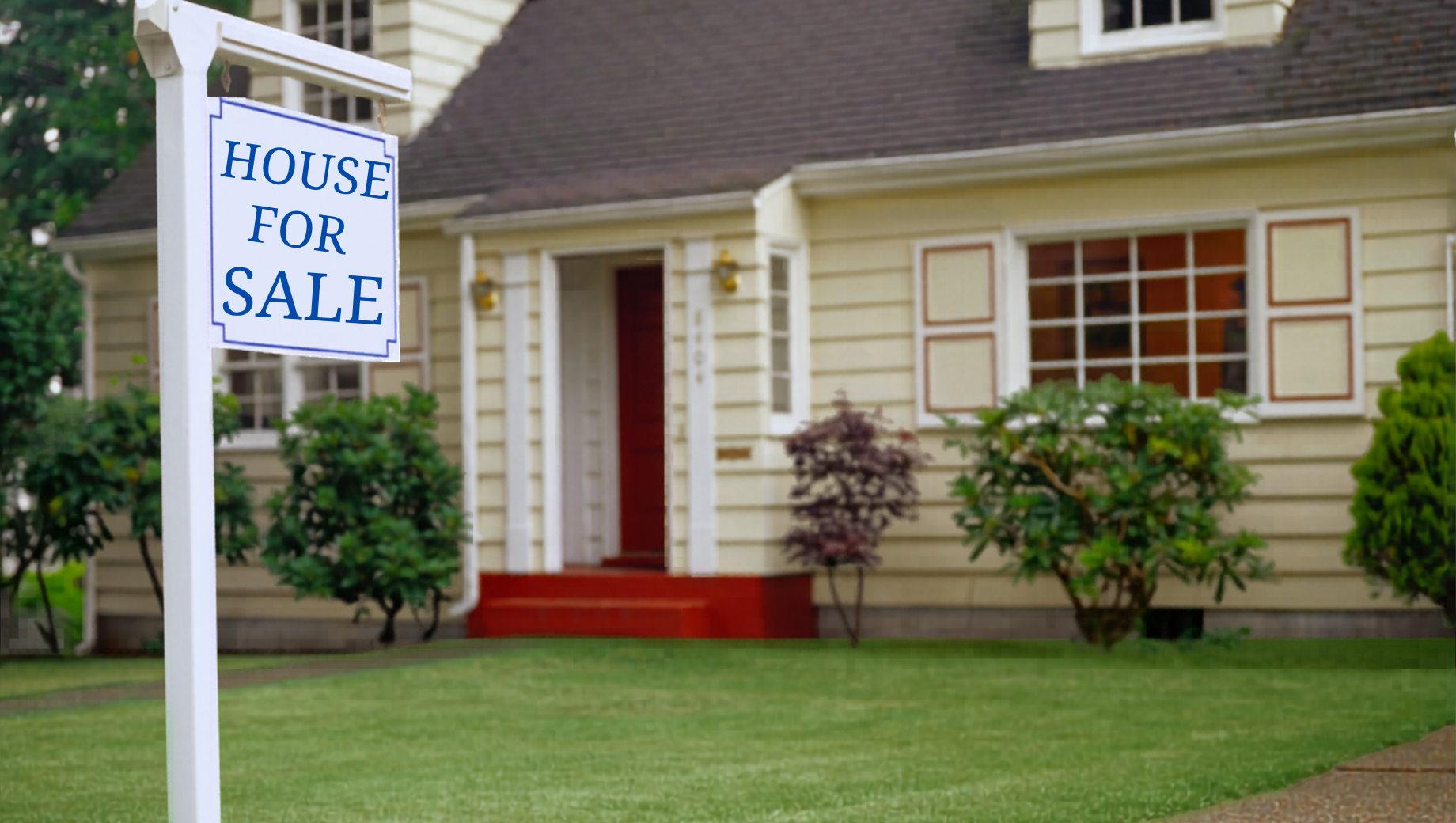
There has been a lot of conversation lately about why baby boomers are not selling their homes.
Many experts point to the housing market. They mention high interest rates, economic uncertainty, rising home prices, and the challenge of finding somewhere affordable to move.
And yes, those things matter.
But I believe there is something much deeper happening.
For many baby boomers, the hardest part is not selling the house. It is letting go of the life that house represents.
This conversation is not just about real estate. It is about identity, family, grief, memories, overwhelm, and the fear of starting over.
And honestly, those are the parts nobody talks about enough.
1. The Home Became Part of Their Identity
Many baby boomers say things like:
- “This is the house where we raised our children.”
- “This has been our family home for 40 years.”
- “This is the only home our grandchildren know.”
There is nothing wrong with loving your home. A home can hold decades of memories, holidays, traditions, celebrations, and family milestones.
But over time, a home can slowly become more than a place to live. It can become proof of a life well lived.
Proof that you were a good parent.
Proof that you worked hard.
Proof that you built something meaningful.
Proof that you created a place where everyone could come home.
For many women especially, the home represents decades of caregiving, hosting, nurturing, decorating, organizing, and creating a sense of belonging for everyone else.
So when someone says, “Maybe it’s time to sell,” it does not always feel like a practical real estate decision.
It can feel deeply personal.
It can bring up the quiet question: If I leave this house, who am I now?
That is one of the biggest emotional reasons many baby boomers hesitate to sell their homes.
2. They Are Waiting for Their Adult Children’s Permission
This may sound surprising, but many parents feel stuck because their adult children do not want them to sell the family home.
The children may say:
- “But that’s our home.”
- “How could you sell it?”
- “Where will we go for the holidays?”
- “I can’t imagine you living anywhere else.”
Of course, adult children can be emotional about the family home too. It represents safety, tradition, childhood memories, and the version of life they once knew.
But here is the difficult question:
Should parents spend the next 10 or 20 years maintaining a large home mainly for holidays, occasional visits, or everyone else’s emotional attachment?
That is not an easy question.
Some people believe preserving the family home matters deeply. Others believe adult children will eventually adjust, and parents deserve to make decisions based on their current life, health, energy, and happiness.
Both sides make emotional sense.
But many baby boomers feel guilty even considering a move because they worry their children will feel hurt, disappointed, or displaced.
That guilt can keep them frozen.
3. Selling Feels Like Admitting a Chapter Is Over
For many people, selling the family home feels symbolic.
It can feel like admitting:
- The kids are grown.
- The busy family years are over.
- Retirement has arrived.
- Life has changed.
- A chapter has closed.
That realization can bring grief.
Not failure.
Not weakness.
Not regret.
Just grief.
And grief deserves to be honored.
Sometimes when people say, “We’ll just wait another year,” what they may really mean is, “I’m not emotionally ready yet.”
Sometimes the resistance is not about the house itself.
It is about the life that happened inside of it.
4. The Downsizing Process Feels Completely Overwhelming
This reason gets dismissed far too often.
People will casually say:
“Just declutter.”
“Just downsize.”
“You don’t need all that space anymore.”
But after 30 or 40 years in a home, you are not just talking about stuff.
You are talking about a lifetime of decisions.
There are:
- Boxes of children’s memories
- Holiday decorations
- Family photos
- Paperwork
- Furniture
- Books
- Keepsakes
- Inherited items from parents who are no longer here
- Closets, cabinets, basements, attics, and garages full of history
Many baby boomers look around their homes and quietly wonder: Where would I even begin?
That feeling is real.
They are not lazy.
They are not avoiding life.
They are overwhelmed by the emotional and physical weight of the process.
Sometimes people say, “It’s the market,” when the deeper truth is, “I cannot imagine going through everything.”
And that is one of the biggest reasons people stay stuck longer than they intended.
5. They Are Afraid of Reinventing Themselves
During the busy family years, many people knew exactly who they were.
They were parents.
Caregivers.
Hosts.
Providers.
The center of family life.
But in the next chapter, that identity can feel less clear.
The house feels familiar, predictable, and safe, even when it is too much work.
Letting go of the home can bring up bigger questions:
- What do I want now?
- Who am I now?
- What excites me now?
- What does this next chapter actually look like?
Those questions can feel unsettling after decades of living for everyone else.
Some people reinvent beautifully after moving. Others need more time to find their footing.
Either way, the fear is real. Selling a home is not just a change of address. Sometimes, it is the beginning of a whole new identity.
6. They Do Not Realize How Much Freedom Could Be Waiting
This is the part I wish more people could see earlier.
Some baby boomers are protecting a lifestyle they do not fully enjoy anymore.
They are still managing:
- Maintenance
- Repairs
- Taxes
- Cleaning
- Yardwork
- Unused rooms
- Stairs
- Storage
- Stress
And yet, they cannot quite imagine life beyond it.
Then sometimes, after they move, they say:
“I wish I had done this sooner.”
“I finally feel lighter.”
“I have energy again.”
“We can travel more.”
“We can see family more.”
“I feel like I’m living again.”
That is why this conversation matters so much.
It is not just about square footage.
It is not just about money.
It is about freedom.
Freedom with your time.
Freedom with your energy.
Freedom financially.
Freedom emotionally.
Sometimes people do not realize how heavy life has become until some of that weight is finally lifted.
Not Everyone Should Sell Their Home
To be clear, not everyone should sell.
Some people should absolutely stay where they are because their home still supports the life they want to live. If their home is safe, manageable, affordable, and joyful, staying may be the right choice.
But we need to stop pretending this conversation is only financial.
For many baby boomers, the real reason they are not selling their homes has very little to do with the housing market and much more to do with identity, family, grief, overwhelm, fear, and uncertainty about what comes next.
So maybe the better question is not: Should I sell my home?
Maybe the better question is: Is my home still supporting the life I want to live right now?
That question changes everything.
Final Thought
If you are a baby boomer thinking about selling your home, downsizing, or simply wondering whether your house still fits your life, give yourself permission to be honest.
You do not have to rush.
You do not have to decide today.
You do not have to explain your feelings to everyone.
But you do deserve to ask the question.
Not from guilt.
Not from pressure.
Not from fear.
But from love for the life you still want to live.
Let’s Continue the Conversation
Are adult children influencing your decision to stay or move?
Do you think baby boomers are emotionally attached to their homes in ways people rarely talk about?
And if you have thought about moving, what is the real thing holding you back?
I would love to hear your thoughts.
SHARE YOUR STORY!
Sign up for Rita’s FREE Newsletter HERE!
Never miss an episode! Click the following link to like Rita’s Facebook page or subscribe to her Decluttering YouTube Channel. Check out our YouTube playlists if you want to learn more.