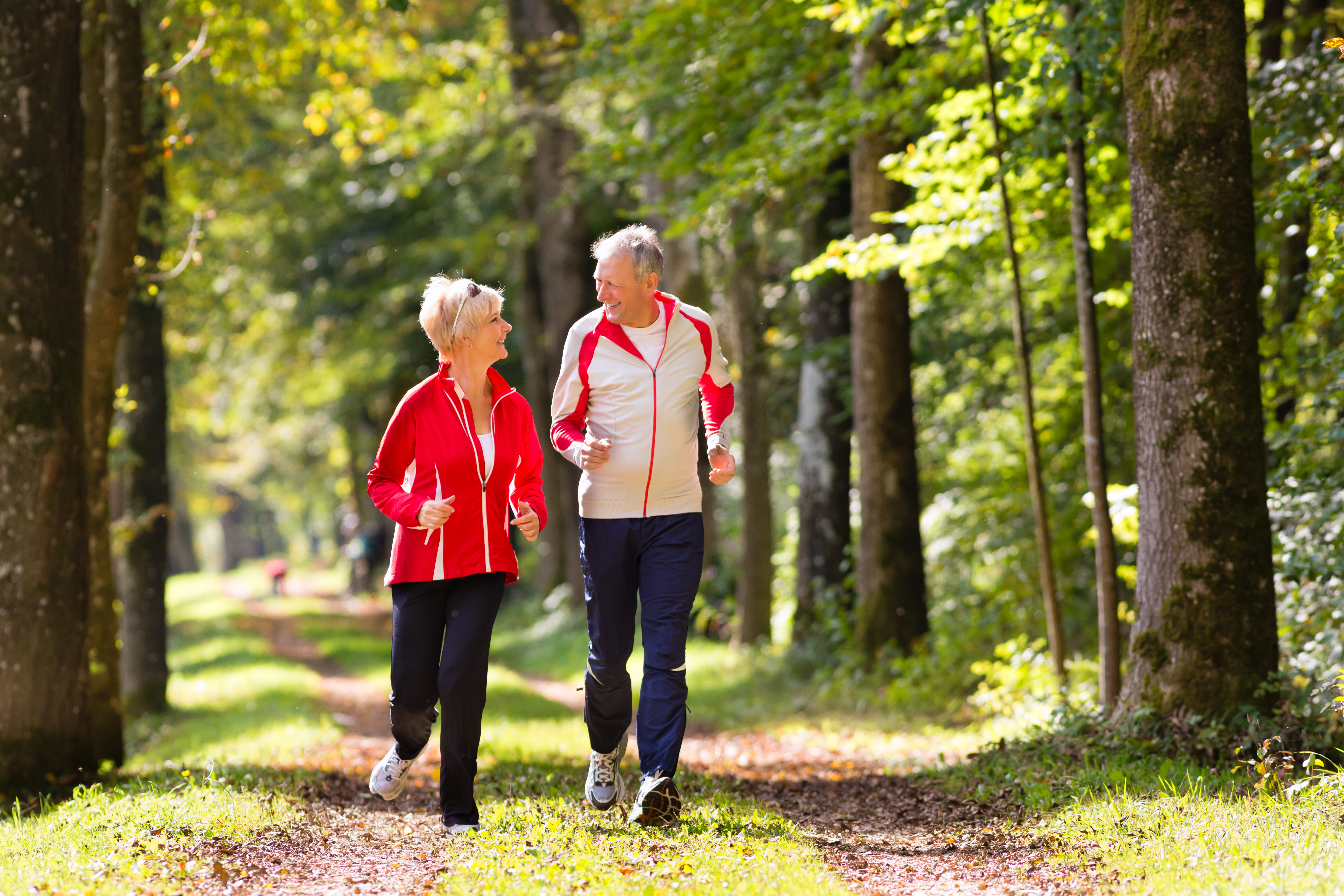
The country’s largest generation is running, walking, swimming and using exercise machines in hopes of changing the face of aging.
Baby boomers – the 78 million Americans born between 1946 and 1964 – are working to counteract the effects of getting older. They grew up watching Jane Fonda workout videos and were the first generation where large numbers exercised from their early years onward.
“Are the boomers playing more sports than 20 years ago? I think the answer to that is yes,” said Tom Cove, president of Sports Goods Manufacturers Association. It annually surveys Americans about their exercise activities. “The boomers are dramatically more active and the numbers are much more skewed to fitness and outdoor activities.”
They sign up for swimming classes and will pay to play basketball or hockey at odd hours in facilities used by youth during the day. People tend to do the same activities as in their youth, said Bill Beckner, research manager for the Virginia-based National Recreation and Parks Association. That could mean new sorts of senior activity centers.
“I keep waiting to see the first senior skate park,” he said. “I won’t be surprised when it shows up.”
And while boomers like their exercise to be social, the number participating in organized team sports is growing slowly because scheduling the time can be difficult. Across all ages, the percentage of people participating in team sports grew by low single digits in the most recent survey in 2011, ending a two-year decline in sports such as tackle football, soccer, basketball and baseball. Participation had suffered due to the economic slowdown, Cove’s survey states.
There is also the problem of availability: Many communities don’t have enough fields for everyone who wants to play organized sports.
“Where ballparks are at a premium … usually they have a priority for the kids,” Beckner said.
Les Clemmons, 58, of Lubbock, played softball as a youngster and was happy eight years ago when he found an over-50 league. It grew so popular a few years ago – some games were starting at 10:30 p.m. – that players had to move beyond the one field the city gave the league one night a week. The league, now about 120-players strong plays at an older city park where it gets two fields one night a week.
The games provide more than just exercise, Clemmons said. Good friendships get built and are “the most important thing,” he said. “It’s more about camaraderie, teamwork.”
His 57-year-old league colleague, banker Gary McCoy, agreed but said players also enjoy the competition.
“It gives us that competitive relief, sometimes comic,” he said. “It’s not the chronological age; it’s how you feel.”
“If you want to live, you’ve got to move your body,” Pepper said. “You lose it if you don’t move it.”